
Labor is the biggest cost for most small and mid-sized businesses, so owners pay attention to any tool that gives time back. AI voice, chat and SMS front-desk agents are now reliable. They run 24/7 and answer the phone, the web chat and the text thread at the same time. Reports put the average labor saved at around 30 hours per business per month, and some operators save far more.
At NuroSparx we like this category because the payoff is concrete and easy to measure. We set up the front desk and connect it to your CRM, so a captured lead becomes a booked job instead of a transcript that dies in an inbox. For a roofing contractor who loses after-hours calls to voicemail, that connection decides whether the call turns into a signed contract.
The short answer
AI voice, chat and SMS front-desk agents now run reliably 24/7. They answer calls, qualify leads and book appointments. Reports show they save an average of around 30 hours of labor per business per month, and some save far more. They break when they’re poorly integrated, so the CRM connection and clean handoffs decide whether they pay off.
What an AI front desk does
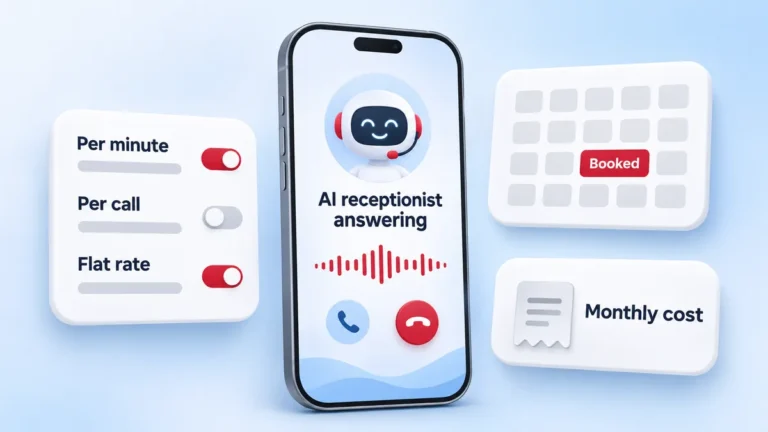
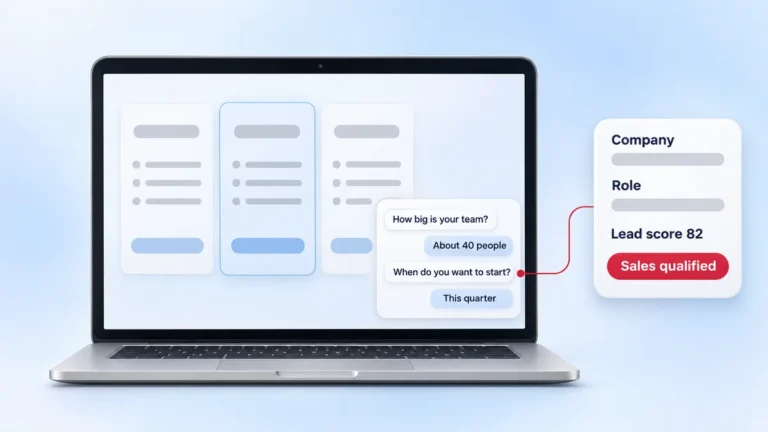
An AI front desk answers calls, web chats and texts 24/7. It qualifies leads, answers routine questions and books appointments like a trained employee. It handles several conversations at once and never goes to voicemail, so callers reach your business instead of a competitor at peak times or after hours.
Tools like My AI Front Desk bundle a phone receptionist, web chatbot, SMS agent, CRM and calendar into one always-on system. Lassie, which raised a $35M Series A led by a16z, runs in more than 700 practices across 49 states and gives each one about 30 hours of labor back per month. Across its user base, that’s over 250,000 hours of labor a year. Across the category, the agent takes over the repetitive front-office work that used to fill a staffer’s day.
Where the 30 hours come from
Reports show an average of about 30 hours of labor saved per business per month, and some operators report up to 190. At a typical front-desk wage, 30 hours a month is real payroll. Owners respond to the number because it’s concrete and it maps straight to their biggest cost.
Compare the cost. A human receptionist runs roughly $35,000 to $50,000 a year in salary alone, before benefits and training. An AI receptionist runs from the low hundreds to about $1,200 a year. Lassie estimates it automates around 15% of a practice’s labor and saves $30,000 or more, roughly the cost of one full-time hire. Even at the conservative 30-hour average, the math is hard to argue with, which is why owners who ignore most AI pitches pay attention to this one.
Where they break
AI front desks answer the phone well. They break on integration and edge cases. An agent that captures a lead but doesn’t push it into your CRM leaves a transcript no one acts on. Complex, emotional or very specific calls still need a clean handoff to a human, or the experience falls apart.
The most common failure we see is a great-sounding agent added with no CRM connection. The call gets answered and the lead gets qualified, then the data sits in a tool the sales team never opens. Speed-to-lead collapses and the value disappears. The second failure is no escalation path: when a caller has an unusual problem, the agent loops instead of passing the call to a human. A proper setup solves both, and owners who install a tool themselves off a website often skip that setup.
Use case: a roofing contractor catching after-hours leads
Most service buyers call while the problem is fresh, often in the evening or on weekends. A roofing contractor without 24/7 coverage sends those calls to voicemail and loses them to whoever answers first. An AI voice agent connected to your CRM answers, qualifies, books and logs the lead before a competitor calls back. Our missed call calculator shows what those unanswered calls cost you.
Picture a homeowner with a leaking roof at 9pm after a storm. They call three roofers. Two go to voicemail. The third roofer’s AI front desk answers, confirms the service area, records the address and how urgent it is, books a morning inspection, and adds the lead to the CRM with a follow-up task. By the time the other two roofers check voicemail the next day, the job is already booked. In home services, that’s how jobs are won, and it happens while the owner sleeps.
What we’d do first
Here’s how we set up and connect an AI front desk so it saves the hours.
- Map your call, chat and text volume to find where leads slip away, after hours and at peak times.
- Set up a voice, chat and SMS agent trained on your services, pricing and service area.
- Connect the agent to your CRM so every captured lead becomes a task instead of a buried transcript.
- Build a clean escalation path so unusual or high-value calls reach a human fast.
- Track hours saved and appointments booked so you can see the ROI.
Integration decides the payoff
AI front-desk agents are now reliable enough to run your phones around the clock, and around 30 hours saved a month is real payroll against your biggest cost. They only pay off when they’re connected to your systems, and many owners stop at installing them. We set up the agent and connect it to your CRM so captured leads turn into booked jobs. Get your free automation audit and we’ll show you where your after-hours leads are slipping away.
Get your free automation audit
Frequently asked questions
How many hours can an AI front desk save?
Reports show an average of around 30 hours of labor saved per business per month, and some operators report up to 190 hours. It depends on call volume and how much front-office work the agent takes over.
What does an AI front desk agent do?
It answers calls, web chats and texts 24/7, qualifies leads, answers routine questions and books appointments. It handles several conversations at once and never sends callers to voicemail.
How much does an AI receptionist cost compared with a human?
A human receptionist runs roughly $35,000 to $50,000 a year in salary alone. An AI receptionist runs from the low hundreds up to about $1,200 a year and works 24/7 with no turnover.
Where do AI front desks break?
On integration and edge cases. An agent that captures a lead but doesn’t push it into your CRM leaves a transcript no one acts on. Complex or emotional calls still need a clean handoff to a human.
Why does this help home service businesses?
Most service buyers call while the problem is fresh, often in the evening or on weekends. A 24/7 agent answers, qualifies and books before a competitor calls back, so missed after-hours calls become appointments.
You're All Set!
We have your request.
Expect a reply from our team within 24 hours. Want to talk sooner? Pick a time below.
Or call us at +1 (914) 297-6638