
Labor is the number one cost for most small and mid-sized businesses, so a tool that hands back time gets owners to actually move. AI voice, chat, and SMS front-desk agents have crossed the reliability line. They now run 24/7 and answer the phone, the web chat, and the text thread at the same time. Reports put the average labor saved at around 30 hours per business per month, with some operators saving far more.
At NuroSparX we like this category because the payoff is concrete and measurable, not a vague promise. We do not just point you at a tool. We deploy the front desk and wire it into your CRM so a captured lead becomes a booked job, not a transcript that dies in an inbox. For a roofing contractor losing after-hours calls to voicemail, that integration is the difference between a missed roof and a signed contract.
Short version
AI voice, chat, and SMS front-desk agents now reliably run 24/7, answering calls, qualifying leads, and booking appointments. Reports show they save an average of around 30 hours of labor per business per month, some far more. They break when poorly integrated, so CRM connection and clean handoffs are what make them pay off.
What an AI front desk actually does
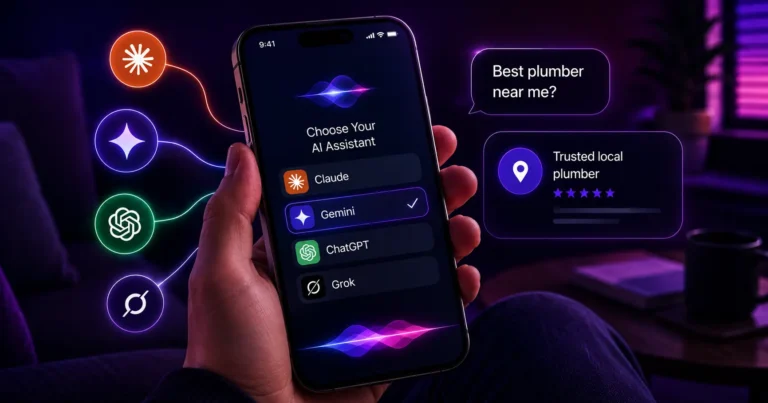
An AI front desk answers calls, web chats, and texts 24/7, qualifies leads, answers routine questions, and books appointments like a trained employee. It handles multiple conversations at once and never goes to voicemail, so callers reach your business instead of a competitor during peak demand or after hours.
Tools like My AI Front Desk bundle a phone receptionist, web chatbot, SMS agent, CRM, and calendar into one always-on system. Lassie, which raised a $35M Series A led by a16z, runs in more than 700 practices across 49 states and gives each one about 30 hours of labor back per month. Across its user base that is over 250,000 hours of labor a year. The pattern holds across the category: the agent absorbs the repetitive front-office volume that used to eat a staffer’s day.
The 30-hours number, and why it lands
Reports show an average of about 30 hours of labor saved per business per month, with some operators reporting up to 190. At a typical front-desk wage, 30 hours a month is meaningful payroll. The number lands with owners because it is concrete and it maps directly to their biggest line item.
Compare the cost. A human receptionist runs roughly $35,000 to $50,000 a year in salary alone before benefits and training, while an AI receptionist runs in the low hundreds to about $1,200 a year. Lassie estimates it automates around 15% of a practice’s labor, saving $30,000 or more, roughly the cost of one full-time hire. Even at the conservative 30-hour average, the math is hard to argue with. That is why owners who ignore most AI pitches will sit up for this one.
Where they break
AI front desks break on integration and edge cases, not on answering the phone. An agent that captures a lead but does not push it into your CRM creates a transcript nobody acts on. Complex, emotional, or highly specific calls still need a clean handoff to a human, or the experience falls apart.
The most common failure we see is a great-sounding agent bolted on with no CRM connection. The call gets answered, the lead gets qualified, and then the data sits in a tool the sales team never opens. Speed-to-lead collapses and the value evaporates. The second failure is no escalation path: when a caller has an unusual problem, the agent loops instead of routing to a human. Both are solvable with proper deployment, which is exactly the part most owners skip when they self-install a tool off a website.
Use case: a roofing contractor capturing after-hours leads
Most service buyers call when the problem is fresh, often evenings and weekends. A roofing contractor without 24/7 coverage sends those calls to voicemail and loses them to whoever answers first. An integrated AI front desk answers, qualifies, books, and pushes the lead into the CRM before a competitor calls back.
Picture a homeowner with a leaking roof at 9pm after a storm. They call three roofers. Two go to voicemail. The AI front desk for the third answers, confirms the service area, captures the address and the urgency, books a morning inspection, and drops the lead into the CRM with a follow-up task. By the time the other two roofers check voicemail tomorrow, the job is already scheduled. That is the entire ballgame in home services, and it runs while the owner sleeps.
What we’d do first
Here is how we deploy and integrate an AI front desk so it actually saves the hours.
- Map your call, chat, and text volume to find where leads leak, after hours and during peak.
- Deploy a voice, chat, and SMS agent trained on your services, pricing, and service area.
- Wire the agent into your CRM so every captured lead becomes a task, not a buried transcript.
- Build a clean escalation path so unusual or high-value calls route to a human fast.
- Track hours saved and booked appointments so the ROI is visible, not assumed.
Bottom line
AI front-desk agents are finally reliable enough to run your phones around the clock, and an average of around 30 hours saved per month is real payroll against your single biggest cost. The catch is that they only pay off when they are integrated, not just installed, and that is the part most owners get wrong. We deploy the agent and connect it to your CRM so captured leads turn into booked jobs. Get your free automation audit and we will show you where your after-hours leads are leaking.
Get your free automation audit
Frequently Asked Questions
How many hours can an AI front desk save?
Reports show an average of around 30 hours of labor saved per business per month, with some operators reporting up to 190 hours, depending on call volume and how much of the front office the agent absorbs.
What does an AI front desk agent do?
It answers calls, web chats, and texts 24/7, qualifies leads, answers routine questions, and books appointments. It handles multiple conversations at once and never sends callers to voicemail.
How much does an AI receptionist cost versus a human?
A human receptionist runs roughly $35,000 to $50,000 a year in salary alone, while an AI receptionist runs in the low hundreds up to about $1,200 a year and works 24/7 without turnover.
Where do AI front desks break?
On integration and edge cases. An agent that captures a lead but does not push it into your CRM creates a transcript nobody acts on. Complex or emotional calls still need a clean handoff to a human.
Why does this matter for home service businesses?
Most service buyers call when the problem is fresh, often evenings and weekends. A 24/7 agent answers, qualifies, and books before a competitor calls back, turning missed after-hours calls into appointments.